
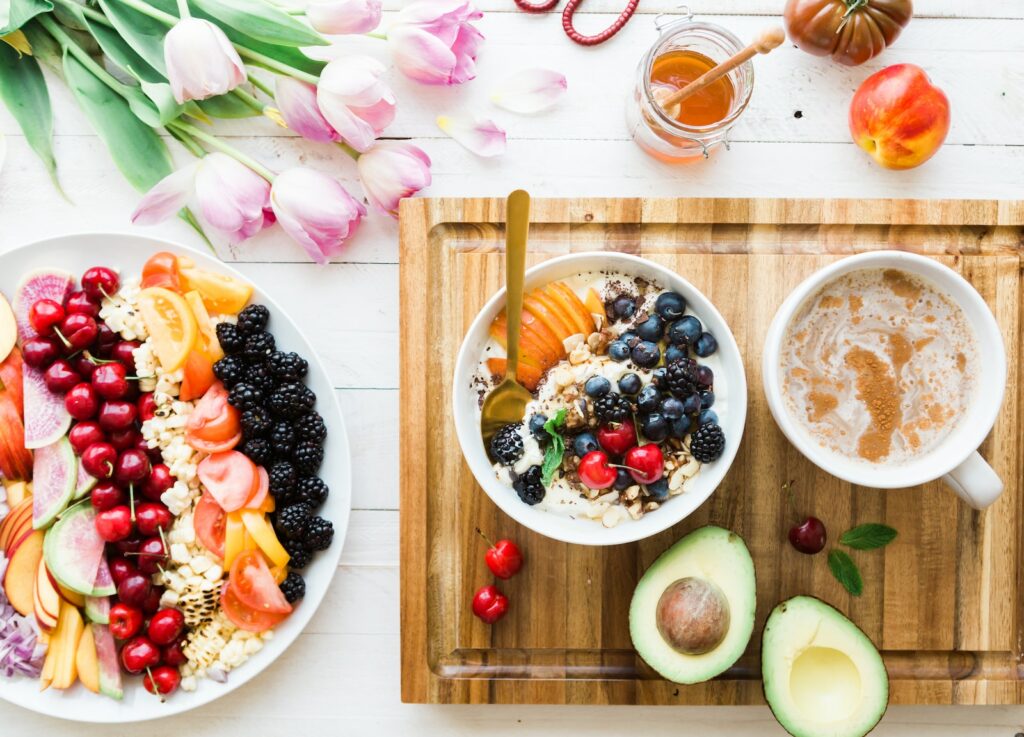
While no single food can guarantee conception, a thoughtful fertility diet for women can balance hormones, support healthy ovulation, and even improve outcomes for those undergoing IVF or other fertility treatments.
At Be Well, we believe in real food for fertility: Whole, nutrient-dense ingredients that nourish your body the way nature intended. This guide walks you through what to eat (and what to skip) when you’re trying to conceive, grounded in current research and the wisdom of our integrative practitioners.
Importance of Nutrition for Fertility
Your reproductive system relies on a steady supply of nutrients to produce healthy eggs, regulate hormones, and prepare your body for pregnancy. Diet affects:
- Egg quality and ovulation: what you eat in the 90 days before conception influences the eggs you’ll release
- Hormone balance: blood sugar, insulin, and thyroid function all respond to food choices
- Inflammation levels: chronic inflammation can interfere with implantation and early pregnancy
- Early fetal development: folate, iron, and choline play critical roles before you even know you’re pregnant
The American Society for Reproductive Medicine updated its guidance in 2022 to formally recognize nutrition as a pillar of natural fertility, a shift that confirms what holistic practitioners have long observed.
The 6 Pillars of a Fertility-Friendly Diet
1. Prioritize Plant Proteins
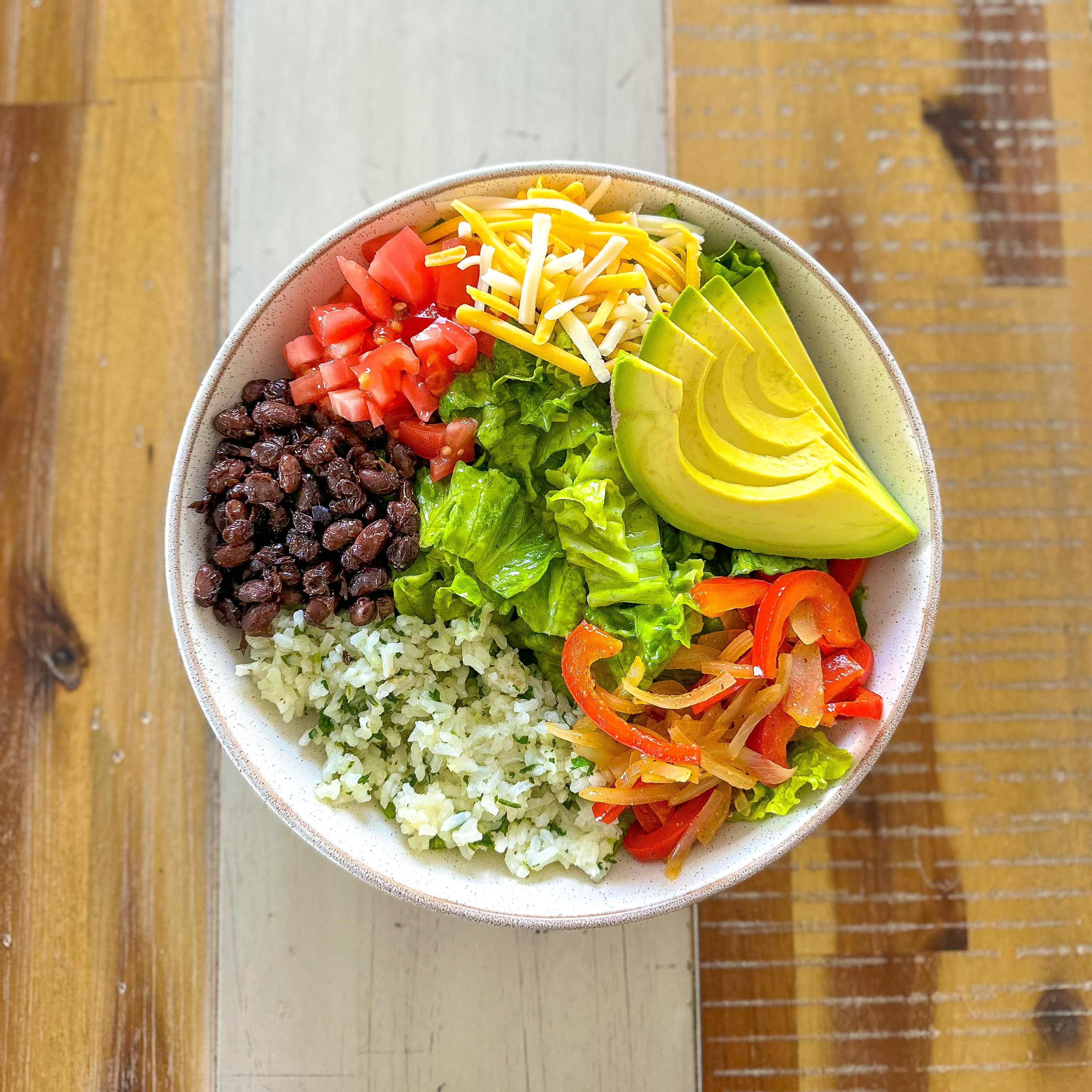
Swap some of your animal protein for plant-based sources like lentils, chickpeas, black beans, tofu, and tempeh. Landmark research from the Nurses’ Health Study found that women who got more of their protein from plants had significantly lower rates of ovulatory infertility.
Try this: Replace meat with lentils in one meal per day. Think lentil soup at lunch or a chickpea-based grain bowl for dinner.
2. Choose Slow, Complex Carbohydrates
Refined carbs spike blood sugar and insulin, which can disrupt ovulation. Choose “slow carbs” that digest gradually:
- Quinoa
- Steel-cut oats
- Brown rice and wild rice
- Sweet potatoes
- Whole-grain sourdough
These keep insulin steady, which helps your hormones stay balanced, especially important if you’re managing PCOS.
3. Embrace Healthy Fats
Monounsaturated and omega-3 fats are the building blocks of reproductive hormones. Include:
- Avocados: rich in monounsaturated fat and folate
- Extra virgin olive oil: use it generously on salads and finished dishes
- Raw nuts and seeds: walnuts, almonds, chia, and flax
- Fatty fish: wild salmon, sardines, and anchovies (low-mercury choices)
Skip trans fats entirely. Read labels and avoid anything with “partially hydrogenated” oils.
4. Consider Full-Fat Dairy (If You Tolerate It)
This one surprises many people: research suggests 1 to 2 daily servings of full-fat dairy, such as whole milk, full-fat yogurt, or cottage cheese, may lower the risk of ovulatory infertility compared to low-fat versions. The fat content appears to matter for hormone production.
If dairy doesn’t agree with you, that’s okay. Other whole-food fats can fill the gap.
5. Load Up on Leafy Greens and Colorful Vegetables
Dark leafy greens deliver the folate, iron, and antioxidants essential for egg quality and early pregnancy. Aim for a generous serving at lunch and dinner:
- Spinach, kale, Swiss chard, and arugula
- Broccoli and Brussels sprouts
- Beets and beet greens
- Brightly colored peppers and berries
Variety matters. Different colors deliver different antioxidants that protect eggs from oxidative damage.
6. Adopt a Mediterranean-Style Eating Pattern
When researchers look at the overall dietary patterns most strongly linked to fertility, the Mediterranean diet consistently comes out on top. It naturally combines all five pillars above: plant proteins, whole grains, healthy fats, vegetables, and fish, with minimal processed food.
A Mediterranean approach is also linked to better IVF outcomes and lower miscarriage risk.
Micronutrients That Boost Fertility
Beyond the big picture, a few specific nutrients deserve extra attention when you’re trying to conceive:
| Nutrient | Why It Matters | Food Sources |
| Folate (B9) | Prevents neural tube defects, supports egg quality | Leafy greens, lentils, citrus, asparagus |
| Iron | Low iron is linked to ovulatory issues | Beans, spinach, lean red meat, pumpkin seeds |
| Omega-3s | Reduce inflammation, support hormone production | Wild salmon, walnuts, flaxseed, chia |
| Vitamin D | Linked to ovulation and implantation | Sunlight, fatty fish, egg yolks, fortified foods |
| CoQ10 | Supports mitochondrial energy in eggs | Organ meats, fatty fish, whole grains |
| Choline | Critical for fetal brain development | Eggs (especially the yolk), salmon, broccoli |
A prenatal vitamin with methylated folate is a smart insurance policy, but food should always come first.
What Foods to Limit or Avoid

A real-food approach naturally crowds out the foods that work against fertility, but it’s worth being intentional about:
- Refined sugars and ultra-processed foods: they spike insulin and drive inflammation
- Trans fats: found in some baked goods, fried foods, and margarines
- High-mercury fish: swordfish, king mackerel, tilefish, and big-eye tuna
- Excess alcohol: limit to occasional or skip entirely while trying to conceive
- Excess caffeine: most research suggests keeping it under 200mg per day (about one 12-oz coffee)
Where Holistic Care Comes In
At Be Well, we know that nutrition is one powerful piece of a much bigger picture. Fertility is also influenced by stress, sleep, gut health, environmental exposures, and movement, which is why our fertility and preconception program brings together licensed nutritionists, acupuncturists, mental health practitioners, and movement specialists under one roof.
If you’ve been trying to conceive and want personalized guidance, whether you’re just starting out, navigating PCOS or endometriosis, or preparing for IVF, we’re here to help.
Ready to Take the Next Step?
Every body is different, and the best nutrition for fertility plan is one designed around you. Our practitioners offer free consultations to help you map out the right path forward.
Schedule a free consultation Explore our Fertility & Preconception services