

Deciding to start a family is one of the most exciting chapters of your life, but it can also feel overwhelming, especially if you have been trying for a while or are just beginning to think about what comes next. Whether you are 28 and newly married or 39 and ready to start this new chapter, knowing how to prepare for pregnancy can make a meaningful difference in your health, your fertility, and your peace of mind.
The good news? You do not need to have everything figured out today. Preparing for pregnancy is a process, and every small, positive step you take matters. This guide will walk you through what to do in the months before you try to conceive, from scheduling the right medical appointments to supporting your body with the right nutrients and habits.
Starting Preparing for Pregnancy Early
Most health experts recommend starting to prepare your body at least three to six months before trying to conceive. This window gives your body time to build up key nutrients, balance hormones, and address any health concerns that could affect fertility or a future pregnancy.
Preparing for pregnancy is not just about your physical health. It is also about setting yourself up emotionally, financially, and relationally so that when the time comes, you feel ready and supported. Research shows that women who take proactive steps before conception often experience healthier pregnancies and have lower rates of complications.
8 Essential Steps to Prepare Your Body for Pregnancy
Here is a clear, practical roadmap to help you prepare your body and your life for this next chapter.
1. Schedule a Preconception Checkup
Before anything else, book an appointment with your doctor or a fertility specialist. A preconception visit is a thorough health review that typically includes:
- A full physical exam
- Blood work to check hormone levels, iron, thyroid function, and immunity
- A review of your family and personal medical history
- A conversation about any medications or supplements you are currently taking
- Screening for conditions like diabetes, high blood pressure, or thyroid issues
This visit is your chance to ask questions, share concerns, and get personalized guidance. If you have been trying to conceive for six months or longer without success (or three months if you are over 35), your provider can help you decide whether fertility testing is the right next step.
2. Start Taking a Prenatal Vitamin
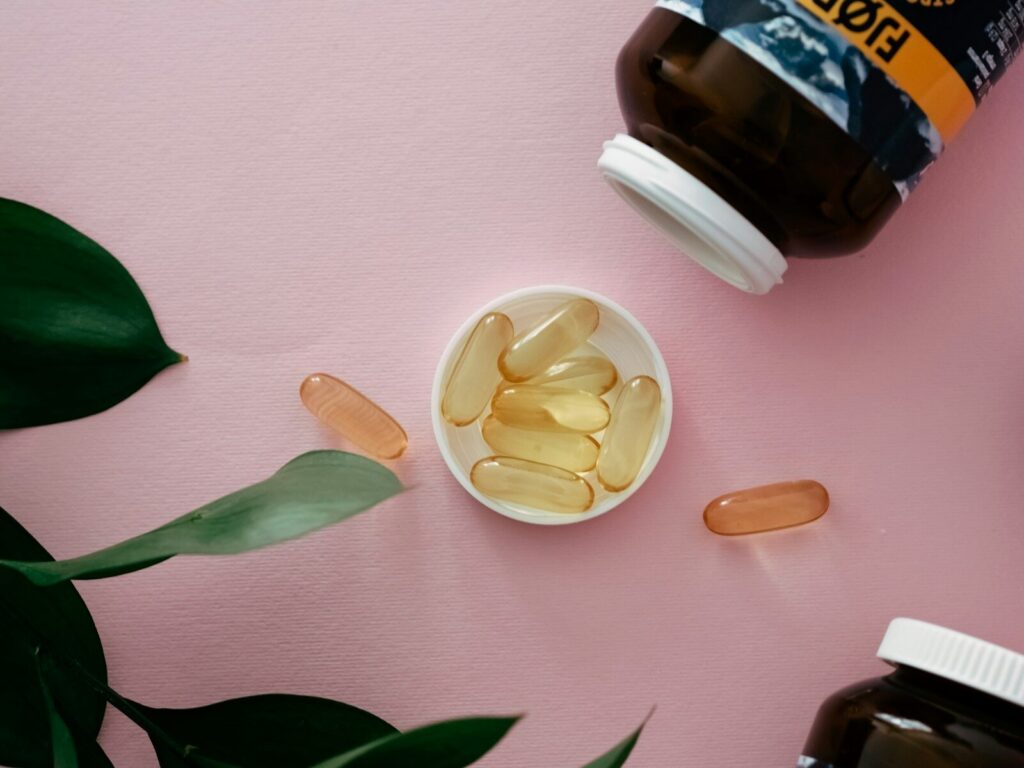
One of the most important things you can do right now is begin taking a daily prenatal vitamin. Look for one that contains 400 to 800 mcg of folic acid, which helps prevent neural tube defects in early pregnancy, often before you even know you are pregnant.
Ideally, start your prenatal vitamin at least one to three months before you begin trying to conceive. A quality prenatal should also include:
- Iron to support healthy blood volume
- Calcium for bone health
- Vitamin D for immune and hormonal support
- DHA (an omega-3 fatty acid) for baby’s brain development
- Iodine for thyroid function
3. Focus on Nutrition and a Balanced Diet
What you eat now directly supports your fertility and your future baby’s development. Aim for a balanced, whole-food diet rich in:
- Leafy greens (spinach, kale, broccoli) for folate and iron
- Lean proteins (chicken, fish, eggs, beans) for tissue building and hormone production
- Whole grains (oats, quinoa, brown rice) for steady energy and B vitamins
- Healthy fats (avocado, nuts, olive oil, salmon) for hormone balance
- Low-mercury fish like salmon and sardines for omega-3s
- Dairy or fortified alternatives for calcium and vitamin D
Try to limit ultra-processed foods, excess sugar, and trans fats, which can contribute to inflammation and hormonal imbalance.
4. Reach a Healthy Weight
Being either underweight or overweight can affect ovulation and fertility. If your weight is outside a healthy range, talk with your provider about gradual, sustainable changes. Crash diets are not the answer, but steady improvements in nutrition and movement can make a meaningful difference.
5. Move Your Body Regularly

Moderate exercise supports hormone balance, reduces stress, and improves circulation, all of which help prepare your body for pregnancy. Aim for about 150 minutes of moderate activity per week, which works out to around 30 minutes, five days a week. Great options include:
- Walking or hiking
- Swimming
- Prenatal-friendly yoga
- Light strength training
- Cycling
Avoid over-exercising or extreme workouts, as these can interfere with your cycle.
6. Cut Out Alcohol, Smoking, and Recreational Drugs
If you smoke, now is the time to quit. Smoking can reduce fertility, increase the risk of miscarriage, and affect your baby’s development. The same goes for alcohol and recreational drugs. Because you can become pregnant before you realize it, it is best to stop drinking once you begin actively trying to conceive.
Caffeine is generally okay in moderation. Most experts recommend keeping your intake under 200 mg per day, which is roughly one 12-ounce cup of coffee.
7. Manage Stress and Prioritize Sleep
Chronic stress and poor sleep can disrupt the hormones that regulate ovulation. While you cannot eliminate stress entirely, you can build habits that help you manage it well. Try:
- Aiming for 7 to 9 hours of sleep per night
- Practicing mindfulness, meditation, or gentle breathing exercises
- Journaling or talking with a therapist or counselor
- Making time for hobbies and relationships that bring you joy
- Setting boundaries at work when possible
8. Review Your Medications and Environment
Some common medications, including certain acne treatments, antidepressants, and blood pressure drugs, are not safe during pregnancy. Talk with your provider about whether any of your current prescriptions need to be adjusted.
Also, do what you can to limit exposure to environmental toxins. That includes:
- Avoiding pesticides, strong cleaning chemicals, and industrial fumes
- Switching to safer personal care and household products when possible
- Having someone else handle cat litter and rodent cleanup to reduce the risk of toxoplasmosis
- Limiting exposure to BPA (found in some plastics) and phthalates
Other Factors to Consider
Visit Your Dentist
Pregnancy can affect your gum health, and untreated dental issues are linked to pregnancy complications. Schedule a cleaning and address any cavities or gum concerns before you conceive.
Update Your Vaccinations
Some vaccines, like the MMR (measles, mumps, rubella) and chickenpox vaccines, cannot be given during pregnancy. Ask your doctor to check which ones you may need updated.
Plan for the Financial Side
Pregnancy and parenting bring new expenses. Now is a smart time to:
- Review your health insurance coverage for prenatal care, delivery, and newborn care
- Understand your maternity leave benefits
- Start or grow an emergency savings fund
- Pay down high-interest debt if possible
Include Your Partner
If you have a partner, remember that sperm health matters too. Encourage them to eat well, exercise, limit alcohol, avoid smoking, and manage stress. Having this journey be a shared experience also strengthens your relationship and builds a foundation for parenthood together.
What to Expect Emotionally from The Prenatal Journey
Preparing for pregnancy is a beautiful goal, but it can also bring up complicated feelings, especially if conception takes longer than expected. It is normal to feel hopeful one day and discouraged the next. Be patient and kind with yourself. Every body is different, and every journey has its own timing.
If you have been trying for a while without success, know that you are not alone, and there is support available. Many women face fertility challenges, and most have paths forward, whether that is lifestyle adjustments, medical evaluation, or fertility treatment.
When to Seek Fertility Help
Consider speaking with a fertility specialist if:
- You are under 35 and have been trying to conceive for 12 months
- You are 35 or older and have been trying for 6 months
- You have irregular or absent periods
- You have a known reproductive health condition like PCOS or endometriosis
- You have had two or more miscarriages
- You or your partner have known fertility concerns
The earlier you seek guidance, the more options you have. There is no shame in asking for help, and getting answers sooner can save you months of worry.
You are Not in This Alone: Let Be Well Support You

Your path to pregnancy is personal, and you deserve care that feels just as personalized. At Be Well, we are here to support you with compassionate, expert guidance every step of the way, from preconception planning to fertility support and beyond.
Whether you are just starting to think about growing your family or have been trying for a while, our team can help you understand your body, create a plan that feels right for you, and connect you with the resources you need.
Ready to take the next step?
Contact Be Well today to schedule your preconception consultation. We would be honored to walk alongside you on this journey.
Frequently Asked Questions
How long does it take to prepare for pregnancy?
Most experts suggest giving yourself at least three months to prepare, though six months is ideal. This gives your body time to build up nutrients, adjust to lifestyle changes, and address any health concerns.
What is the most important thing to do when preparing for pregnancy?
Starting a prenatal vitamin with folic acid and scheduling a preconception checkup are two of the most impactful steps. Together, they support your baby’s early development and help you start from a healthy baseline.
Can I still drink coffee while preparing for pregnancy?
Yes, but in moderation. Most guidelines recommend keeping caffeine intake under 200 mg per day, which is about one 12-ounce cup of coffee.
How soon should I stop birth control before trying to conceive?
It depends on the type of contraception. For birth control pills, patches, or rings, fertility can return within a cycle or two. For injections like Depo-Provera, it may take several months longer for your cycle to return. Talk with your provider about the best timeline for you.
What if I have a health condition like PCOS or diabetes?
Conditions like PCOS, diabetes, thyroid disorders, and high blood pressure can affect fertility and pregnancy, but many women with these conditions go on to have healthy pregnancies. Work with your provider to get your condition well-managed before you conceive