
Yes, diet can affect fertility, but it is not the cure for infertility. No single meal, supplement, or “fertility food” will guarantee a pregnancy, and framing nutrition that way creates pressure that is neither realistic nor helpful.
What the research does support is more nuanced and more empowering: what you eat can influence the systems that drive fertility, including hormone balance, ovulation, egg and sperm quality, blood sugar regulation, inflammation, and how your body responds to fertility treatment.
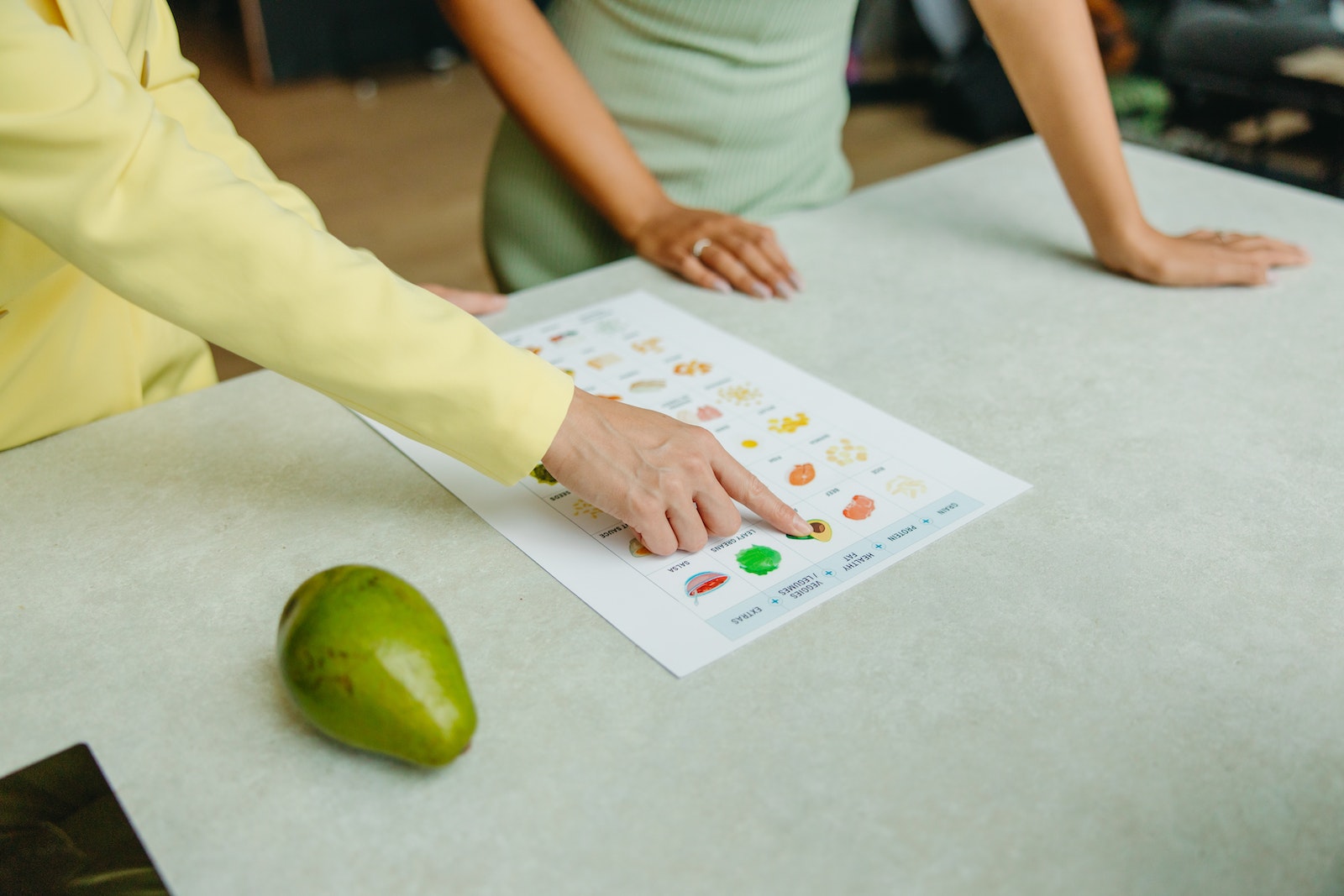
At Be Well, we see nutrition as one important piece of a much bigger picture that also includes stress, sleep, movement, gut health, and partner health. Here is what the evidence actually says about diet and fertility, and how to use it.
What the Research Says About Diet and Fertility
The relationship between nutrition and reproductive health has been studied for decades, and a few patterns show up consistently across major reviews from Harvard, Mayo Clinic, and peer-reviewed journals:
- Healthy dietary patterns are linked with better fertility outcomes for both women and men
- Mediterranean-style eating is the pattern with the strongest evidence base
- Diets high in trans fats, refined carbohydrates, sugary drinks, and red or processed meats are linked with poorer fertility markers
- Folic acid, vitamin B12, and omega-3 fatty acids are consistently associated with positive fertility effects
- The American Society for Reproductive Medicine updated its guidance in 2022 to formally include nutrition as a pillar of fertility care
What the research does not support: extreme cleanses, restrictive elimination diets without medical guidance, or treating any single food as a miracle. Fertility is influenced by age, genetics, medical conditions, hormones, lifestyle, and your partner’s health, and diet is one supportive factor among many.
How Diet Can Affect Female Fertility
Ovulation and Cycle Regularity
Blood sugar and insulin have a direct line to reproductive hormones. Diets high in refined carbohydrates and sugar can drive insulin resistance, which in turn can disrupt ovulation. Steady blood sugar, supported by fiber, protein, and healthy fats, helps keep cycles regular.
Egg Quality and Oxidative Stress
Egg cells are particularly vulnerable to oxidative damage. Antioxidant-rich foods, omega-3 fatty acids, and folate help protect them. What you eat in the roughly 90 days before conception influences the eggs your body will release during that window.
Hormone Balance
Reproductive hormones are built from healthy fats and cholesterol, and they function best when blood sugar is steady. Adequate protein, fiber, and unsaturated fats support that balance.
PCOS and Insulin Resistance
For women managing PCOS, nutrition often plays an outsized role. A protein-forward, fiber-rich, lower-glycemic approach can help improve insulin sensitivity, which often translates to more regular ovulation.
Can Diet Affect Male Fertility?
Male fertility is half of the equation, and diet matters here just as much. This is one area where most fertility content falls short, but the research is robust.
Studies consistently show that healthy dietary patterns are linked with better semen quality, including improvements in:
- Sperm count
- Motility (how well sperm move)
- Morphology (sperm shape and structure)
- DNA integrity, which affects embryo quality
Diets high in saturated fats, trans fats, and processed meats are linked with the opposite: lower sperm counts and poorer motility. On the other hand, foods rich in antioxidants, omega-3s, and zinc, such as walnuts, citrus, tomatoes, legumes, and low-mercury seafood, are associated with better semen quality.
If you are trying to conceive as a couple, both partners benefit from focusing on nutrition together, ideally starting at least three months before trying.
The Best Eating Pattern for Fertility

When researchers compare overall dietary patterns, the Mediterranean diet consistently comes out on top for fertility outcomes. It naturally combines vegetables, legumes, whole grains, olive oil, nuts, seeds, low-mercury seafood, and moderate dairy, with minimal ultra-processed food.
A Mediterranean-style approach is also linked with better IVF outcomes, lower miscarriage risk, and better semen quality in male partners.
If you want a deeper dive into specific fertility-friendly foods, our guide on the best fertility foods for women breaks down what to put on your plate.
Foods and Drinks That May Hurt Fertility
The goal here is balance, not fear. Most of these are about limiting rather than eliminating:
- Trans fats in fried foods, some baked goods, and margarines
- Ultra-processed foods high in refined oils and additives
- Sugary drinks, especially sodas and energy drinks, which are linked with lower fertility in both men and women
- Refined carbohydrates that spike blood sugar
- High-mercury fish such as swordfish, king mackerel, tilefish, and big-eye tuna
- Excessive red and processed meats
- Excess alcohol, with moderation generally advised while trying to conceive
- Excess caffeine, with most research suggesting under 200mg per day (about one 12-oz coffee)
Does Weight or BMI Affect Fertility?
This is a sensitive topic that deserves compassionate framing. Being significantly underweight can suppress ovulation, and living with obesity can affect hormones, insulin sensitivity, ovulation, and sperm production. But weight is one marker of health, not a verdict on your fertility potential.
The goal is sustainable metabolic health, not restrictive dieting or rapid weight loss while trying to conceive. Crash diets and extreme caloric restriction can actually disrupt cycles further. If weight is a factor in your fertility journey, working with a practitioner who can help you build sustainable habits is far more effective than going it alone.
Does Diet Matter During IVF or IUI?
Yes, and this is a question we hear often. While diet will not single-handedly determine treatment success, it can support:
- Nutrient sufficiency for egg development and implantation
- Reduced inflammation, which supports a healthier uterine environment
- Stable blood sugar, which matters more during the hormonal shifts of stimulation cycles
- Adequate folate, omega-3, and vitamin D, which are commonly checked or supplemented
A few practical notes:
- Start nutrition changes at least three months before treatment when possible
- Avoid extreme cleanses, detoxes, or fasting protocols during active treatment unless your medical team specifically recommends them
- A high-quality prenatal vitamin with methylated folate is standard, and your provider may add omega-3s or vitamin D based on labs
Gut Health, Inflammation, and Fertility
Your gut microbiome influences how you absorb nutrients, regulate hormones, and manage inflammation, all of which connect back to fertility. Supporting gut health does not require a complicated protocol:
- Eat a wide variety of plants each week
- Include fermented foods like yogurt, kefir, sauerkraut, and kimchi if you tolerate them
- Get adequate fiber from beans, vegetables, fruit, and whole grains
- Limit ultra-processed foods, which can disrupt the microbiome
Chronic inflammation, often driven by diet, stress, and sleep, can affect everything from ovulation to implantation. An anti-inflammatory eating pattern overlaps significantly with a fertility-supportive one.
Environmental Toxins and Fertility Nutrition
A few simple, non-alarmist habits can reduce exposure to endocrine disruptors that may affect fertility:
- Choose low-mercury fish
- Wash produce well, or buy organic for items typically high in pesticide residue
- Use glass or stainless steel containers instead of plastic when possible
- Avoid heating food in plastic, which can release BPA and other compounds
- Limit highly packaged, ultra-processed foods
When to Get Personalized Fertility Nutrition Support
A general guide can only take you so far. Consider personalized support if you are managing:
- Irregular periods or anovulation
- PCOS or endometriosis
- Recurrent pregnancy loss
- IVF, IUI, or egg freezing cycles
- Known nutrient deficiencies
- Digestive issues that affect absorption
- Vegan, vegetarian, or restricted diets
- Male factor fertility concerns
Build a Fertility Nutrition Plan That Fits Your Life
Generic advice can only do so much. The most effective fertility nutrition plan is one designed around your body, your goals, your medical history, and your timeline. Our integrative practitioners offer free consultations to help you map out the right path forward.
Schedule a free consultation Explore our Fertility & Preconception services